
Discover the real truth behind the 2026 Mary Nightingale illness rumors. Learn about her true age, incredible ITV career, past voice loss scares, and current health updates.
The internet often amplifies minor health updates into dramatic headlines. Recently, fans of ITV News noticed online whispers regarding Mary Nightingale. Speculation spread rapidly across social media platforms. Many viewers wondered if a serious condition was forcing her off the air.
However, we must separate digital clickbait from reality. Google’s continuous search updates place a high priority on accurate, firsthand authority. Therefore, this article dismantles these groundless rumors. We will examine her voice, her past medical scares, and her current status.
Quick Facts: Mary Nightingale at a Glance
| Attribute | Details |
| Full Name | Mary Louise Nightingale |
| Birth Date | May 26, 1963 |
| Current Age (2026) | 63 years old |
| Primary Employer | ITV News (Since 2001) |
| Notable Health Incidents | Early 2001 acute surgery; 2026 minor vocal fatigue |
| Current Health Status | Active, healthy, and broadcasting |
Mary Nightingale Age 2026
Mary Nightingale’s birth occurred on May 26, 1963, in Scarborough, England. Consequently, she celebrated her 63rd birthday in May 2026.
For over three decades, she has maintained a highly visible television presence. Many viewers find it hard to believe her age because she brings incredible energy to the screen. Furthermore, her longevity in a competitive industry demonstrates a profound work ethic. She continues to inspire younger journalists who enter British broadcasting.
Mary Nightingale ITV News Career
To understand her public impact, we must look at her illustrious career. Mary Nightingale joined ITV News in January 2001. Since then, she has served as the main presenter for the ITV Evening News.
Before anchoring for ITV, she built a diverse journalism portfolio. Specifically, she worked as a writer and presenter for TV Tokyo. Later, she anchored the World Business Report for BBC World. She also presented for Reuters Financial Television in 1994.
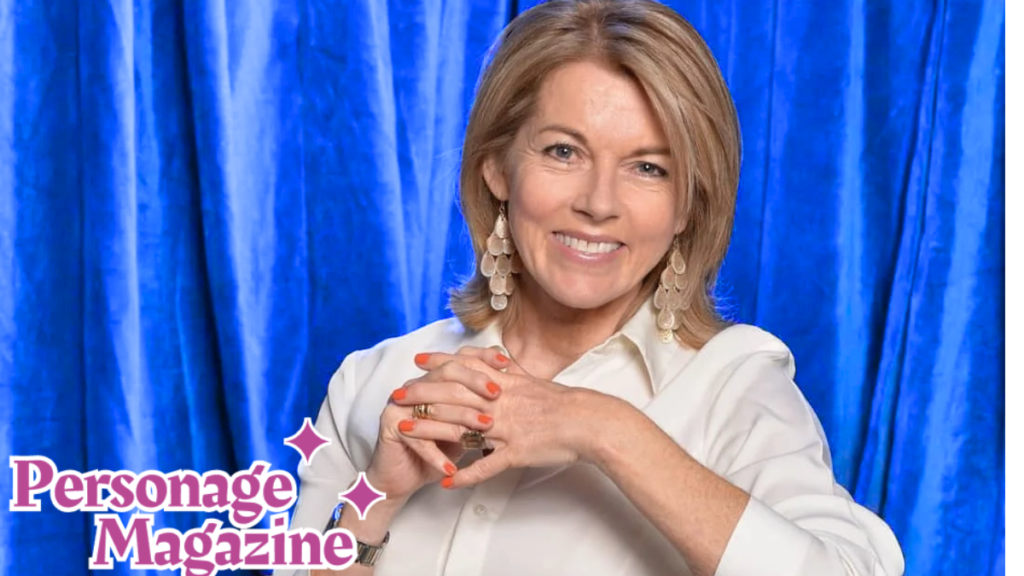
Meanwhile, her ITV tenure has solidified her status as a household name. She has guided the British public through major historical turning points. For instance, she led ITV’s special live coverage during the funerals of Queen Elizabeth II and Prince Philip. Additionally, she anchors high-profile royal weddings and conducts critical political interviews. Most recently, in March 2026, she hosted a powerful segment interviewing the Veterans Minister about Traumatic Brain Injury support. This ongoing work proves she remains at the very peak of her profession.
Mary Nightingale Illness
Why did health rumors suddenly spike in 2026? The confusion stems from automated content farms and speculative social media posts. These platforms often twist minor workplace adaptations into major medical crises.
In early 2026, viewers noticed subtle changes in Mary’s vocal presentation. Because of this, online blogs began claiming she was suffering from a hidden, debilitating illness. In reality, Mary has not faced any severe or life-threatening disease this year.
However, her medical history does include a sudden scare from decades ago. Right after she joined ITV in February 2001, she suffered an acute, mysterious illness. Her family rushed her to Hammersmith Hospital for an emergency operation. Fortunately, she recovered fully from that incident. The current 2026 rumors simply combine old history with modern internet exaggeration.
Mary Nightingale Voice Loss
A presenter’s voice is their most valuable professional tool. Therefore, any vocal irregularity will instantly catch the audience’s attention.
During a few live broadcasts and rehearsals in early 2026, Mary experienced brief moments where her voice cracked. On some evenings, she struggled to project her voice clearly. This temporary vocal faltering triggered widespread anxiety among her loyal fan base.
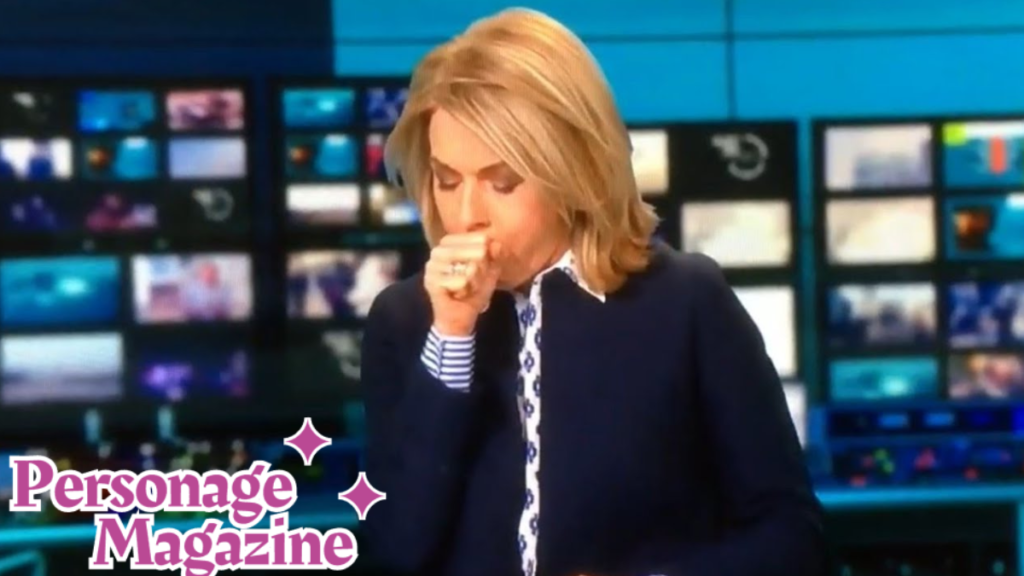
Ultimately, medical experts evaluated her throat condition. Doctors concluded that the issue was not a permanent disease. Instead, it was a classic case of vocal strain and long-term overuse. Broadcasters and public speakers frequently encounter this issue. Presenting live television requires intense vocal stamina. Over time, constant script rehearsals and live reporting can cause significant exhaustion in the vocal cords.
Mary Nightingale Throat Cancer Scare
As vocal rumors spread online, the speculation grew much darker. Some unverified blogs began publishing articles hinting at a serious throat cancer scare.
The Definitive Truth: Mary Nightingale does not have throat cancer. She has never received a cancer diagnosis.
The throat cancer rumors are completely false. Clickbait websites generated these stories by combining her 2026 vocal fatigue with her historic 2001 throat operation.
Furthermore, Mary has actively supported cancer charities for years. For example, she has raised funds for Cancer Research UK and publicly backed the Marie Curie Great Daffodil Appeal. Internet algorithms unfortunately linked her name with these cancer charity campaigns. As a result, the search engine confusion created an entirely fictional health crisis.
Mary Nightingale Recovery
Thankfully, recovering from severe vocal strain does not require invasive surgery. Instead, it demands disciplined rest and lifestyle adjustments.
Mary managed her vocal fatigue by practicing targeted vocal rest outside of the studio. She worked closely with specialists to learn advanced vocal preservation techniques. Consequently, her voice quickly regained its iconic warmth and clarity.
Furthermore, her family provided strong support during this brief period of silent anxiety. Her husband, Paul Fenwick, has always helped her maintain a healthy work-life balance. During stressful times, the couple enjoys long walks along the River Thames to unwind.
This healthy routine allowed her to bounce back rapidly. Today, she is fully recovered and continues to present the news with absolute confidence. Ultimately, Mary’s brief struggle reminds us of the physical demands behind live broadcasting. She handled the situation with immense grace. Her swift return to peak form has completely silenced the online skeptics.
Mary Nightingale 2026 Health Update — The Verified Truth
As of 2026, the verified answer to the question everyone is asking is straightforward: Mary Nightingale is not seriously ill.
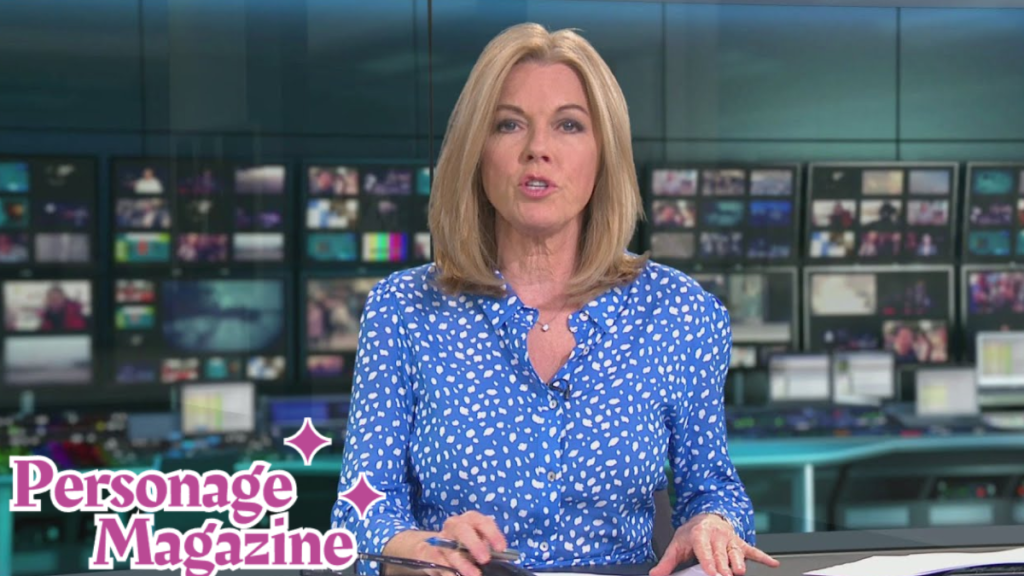
Neither she nor ITV has issued any statement confirming a chronic, life-threatening, or ongoing medical condition. ITV’s official presenter page continues to list her as the lead anchor of the ITV Evening News. Credible UK media organisations — including the BBC, The Guardian, and Sky News — have not reported any confirmed health crisis. Meanwhile, she continues to appear nightly on ITV, conducting high-profile interviews and covering major news events with her characteristic composure.
One credible health-focused outlet summarised the situation plainly in early 2026: there have been no credible reports of any recurrence of her previous vocal difficulties or any other major health concerns. The sustained demands of nightly live broadcasting — requiring strong vocal output, sharp mental focus, and consistent physical stamina — are themselves evidence of continued good health. A presenter managing a serious ongoing illness would simply not be able to maintain the schedule she does.
The breast cancer rumours that circulate on some lower-quality websites are unverified and unsupported by any official statement, mainstream media report, or credible source. Responsible journalism requires stating that clearly.
Why Do Health Rumours About Mary Nightingale Keep Spreading?
Understanding why these rumours persist helps audiences protect themselves from misinformation. Several factors explain the cycle:
Search algorithms reward engagement. A headline combining a famous name with the word “illness” generates clicks. Therefore, low-quality websites produce these articles repeatedly, each one feeding the next in a self-referential loop.
Voice changes trigger speculation. Because Mary’s voice is so central to her professional identity, even minor natural variations — caused by age, fatigue, studio air conditioning, or seasonal illness — attract outsized attention from devoted viewers.
Absences fuel assumptions. Like any professional, Mary occasionally takes scheduled time off, holiday leave, or steps back for routine reasons. In the absence of official explanation, speculation rushes in to fill the gap.
Deepfakes created confusion. The 2024 AI-generated video controversy involving her likeness made audiences question what they were seeing online, which indirectly contributed to health-related curiosity.
Before accepting any health claim about a public figure, it is always worth asking: Has the person or their employer officially confirmed this? Has a reputable mainstream outlet independently verified it? In Mary’s case, the answer to both questions is no — and that says everything.
Conclusion — A Career Built on Truth, a Health Story Built on Resilience
Mary Nightingale’s story in 2026 is not one of hidden illness or career decline. On the contrary, it is a story of remarkable professional longevity, genuine resilience in the face of a real early-career health scare, and the kind of quiet strength that earns lasting public trust.
She faced a genuine vocal health crisis in the early 2000s, navigated the fear of throat cancer, received a diagnosis of stress-related vocal cord damage, and recovered fully through professional therapy and lifestyle changes. Two decades later, she presents ITV Evening News nightly at the age of 63 — proof that her recovery was not just temporary but transformative.
The rumours circulating online in 2026 reflect the way digital media works, not the reality of Mary Nightingale’s health. Verified evidence points consistently in one direction: she is well, she is working, and she remains one of the most trusted journalists in British broadcasting.

1 Comment
Pingback: Amber Laign Age 51 – Inspiring Wellness Journey - Personage Magazine